happy food day!
Posted: October 24, 2014 Filed under: Uncategorized Leave a commentFood Day is a national movement to encourage people to improve their diets as well as to promote food policies to make healthy eating realistic for all. Awesome!
Food justice is one of the themes for Food Day 2014. I think this is an especially important issue to bring to people’s attention and Food Day is certainly a wonderful way to do it. In America, food justice is particularly lacking. Servers in restaurants still make a base pay of $2.13/hour, farm workers are paid less than minimum wage often in poor conditions and there are still 49 million Americans living in food insecure households.
This graphic of a tomato from Bon Apetit/Food Day shows one aspect of inequitable our system is. Farm workers get paid only 1-2 cents per pound for tomatoes that cost us $2.00 at the grocery store. Where is the rest of the money going?

unsublime tomatos from https://d3n8a8pro7vhmx.cloudfront.net/foodday/pages/24/attachments/original/1407159732/14-4621TableMini-Tomatoes3.jpg?1407159732
Take a second to also look at the graphic from the Food Chain Workers Alliance which provides a great illustration of everyone involved in our food system. According to their survey, over 86% of workers in the food system are paid less than minimum wage.

Food Day is so great because it teaches us about important food issues and empowers us to do something about it.
So what can we do to improve food justice?
• Take the time to learn where your food comes from and choose to buy foods that were produced by workers who were treated well. Most of us grew up thinking cheap food is the best food and it’s hard to get out of this mindset. But when you think about it, it is unjust that the people providing your food aren’t getting paid enough to eat well themselves.
• Eat local foods when you can. While local foods don’t automatically equate with livable wages, you have the opportunity to talk to the farmers about their practices and how they treat their workers. This will help you make a more informed decision about your food purchases.
• Speak up and write letters or make phone calls to your local government to raise the minimum wage for all workers.
• Volunteer at a food bank or donate money to a local food charity that you believe in. Do what you can to help others eat well.
What are your plans for Food Day or ideas to promote food justice? I’d love to hear them. If you need some inspiration, check out local Food Day events in your area at http://www.foodday.org/events
food philosophy
Posted: October 20, 2014 Filed under: Uncategorized 2 Commentswelcome to the sublime tomato! i’m raina and i’ll be introducing myself a little bit in each post. you can also read more about the blog in the about section. i’ll be posting regularly, but expect changes and updates to the site to come a little slowly at least until graduation in december. today i’ll be talking about why food is so important to me. i’d love to hear your comments. thanks for reading!

i really do love tomatoes
I can’t think of very many things that are more important to your health than the food you put into your body. Most of us are fortunate enough to choose what we eat and with that choice comes a lot of responsibility. This means paying attention to where your food comes from, reading nutrition sources you trust and taking the time to know what you are putting into your body. I call this food philosophy. You don’t need to be an expert to have food values and there is no right or wrong about what you decide to eat, it’s your body. My food philosophy is ever changing, but I’d like to share a few food values that are always pretty solid in my life.
Veggie-centric: Veggies and fruits take the leading role in my meals. They’re important to me because they make my body so happy. Produce is super nutrient dense, meaning you get tons of the good stuff like vitamins, minerals and fiber in each bite. I also try to eat as many types of veggies and fruits as possible to get a wider variety of nutrients. Also, being veggie-centric most of the time is a form of health insurance for those days when produce isn’t the focus of your meals.
Local: There are tons of reasons to eat local and again, health is my major motivation. Local foods are healthier. The farther your food travels, the more opportunity there is for nutrients to be damaged due to temperature and time. Eating local also supports farms in your community which is much more desirable than giving money to huge companies thousands of miles away. I incorporate local foods into my diet by buying most of my veggies and animal products at nearby farmers’ markets. Community Supported Agriculture organizations (CSAs) are a great option for people who don’t have time to go to shopping at the market each week. They will deliver a box of produce and/or meat to a drop-off location for you to pick up each week.
Organic: I choose organic foods when I can to avoid chemicals and pesticides in conventionally farmed products. We are exposed to tons of chemicals and toxins in our environment every day, so minimizing ones in our food is important. Organic foods can be more expensive, but I like to remind myself of the investment I’m putting in my health and the savings in future health care costs. When organic is just too expensive, I focus on the foods that are most chemical laden like those in the dirty dozen.
Real: One rule I live by is the fewer ingredients the better. Packaged and processed foods usually have long lists of hard to pronounce ingredients that are harmful to our bodies. Learning how to cook simple meals in big batches (leftovers!) has been the most helpful to real-ify my meals. Often making your food from scratch doesn’t take longer than waiting for takeout or heating up a frozen dinner.
Realistic: Sometimes organic is too expensive and other times I just really want to use tomatoes in January, so local isn’t an option. During exams or busy weeks, ice cream and frozen pizza just happens to find their way into our house. On these occasions, I just give myself a break and enjoy my food!
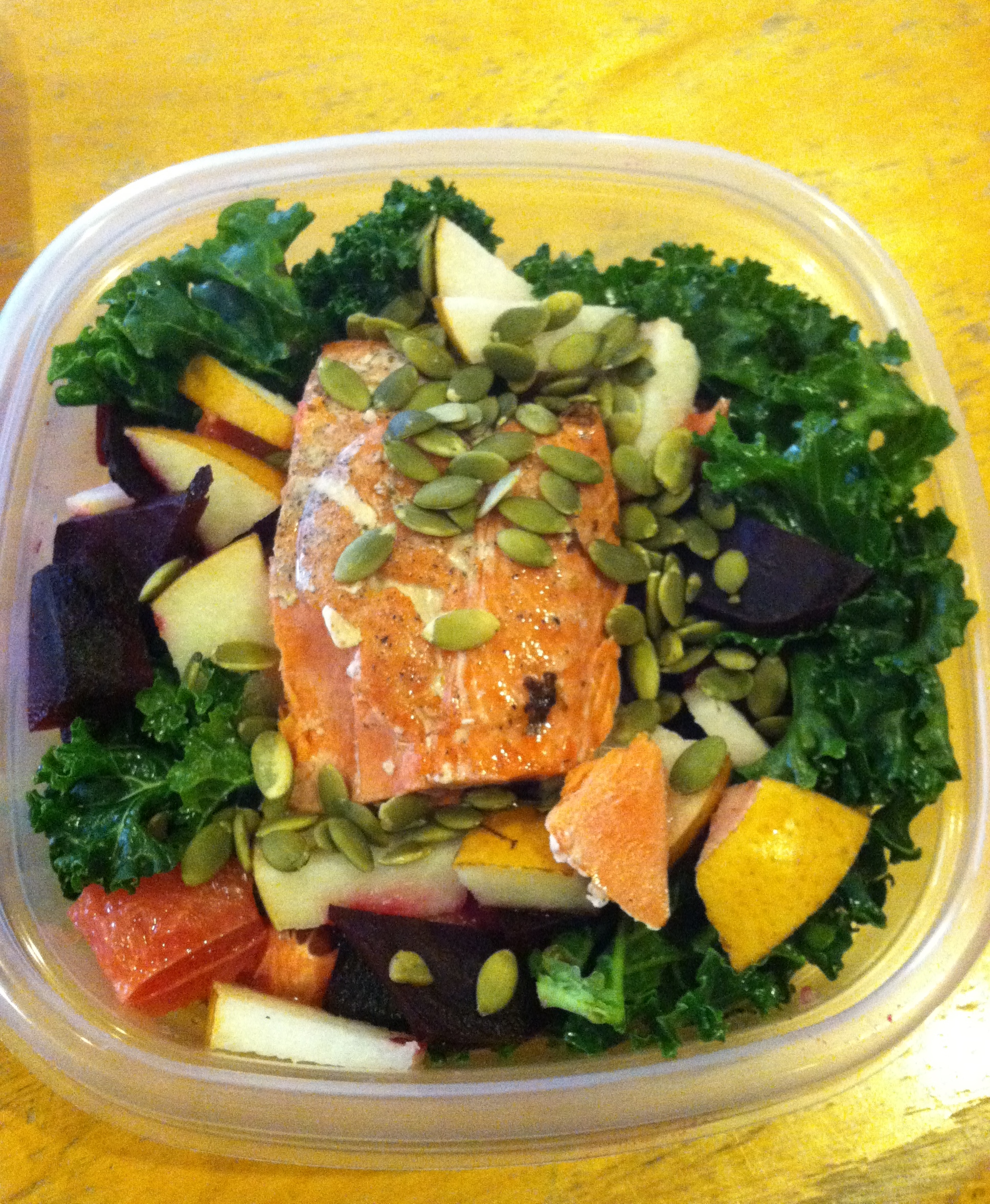
real food in my kitchen
We’re constantly being bombarded with nutrition information so it’s even more important that we all have places we can trust. Here are some sources I trust that have helped me form my food philosophy and provide useful info, tips and recipes.
Websites:
World’s Healthiest Foods: http://www.whfoods.com/
Harvard School of Public Health Nutrition Source: http://www.hsph.harvard.edu/nutritionsource/
Blogs:
Kris Carr: http://kriscarr.com/
100 Days of Real Food: http://www.100daysofrealfood.com/
Books:
The Third Plate by Dan Barber
All of Michael Pollan’s books
I’d love to hear about your food philosophy. What do you think about when making your food choices?
that smoothie life
Posted: October 20, 2014 Filed under: Uncategorized Leave a commentI drink smoothies often and talk about them even more. So much that my friends probably think I’m crazy. I love smoothies cuz they’re refreshing, delicious and let me get in two or three fruit and veggie servings before 7am.
Here’s a list of 9 of my favorite smoothie ingredients. These all-stars are versatile and nutritious and come together in a million combinations to make the tastiest smoothies that pack a serious nutrition punch. The list isn’t in any order and definitely not inclusive, but just some of my regular go-to choices.
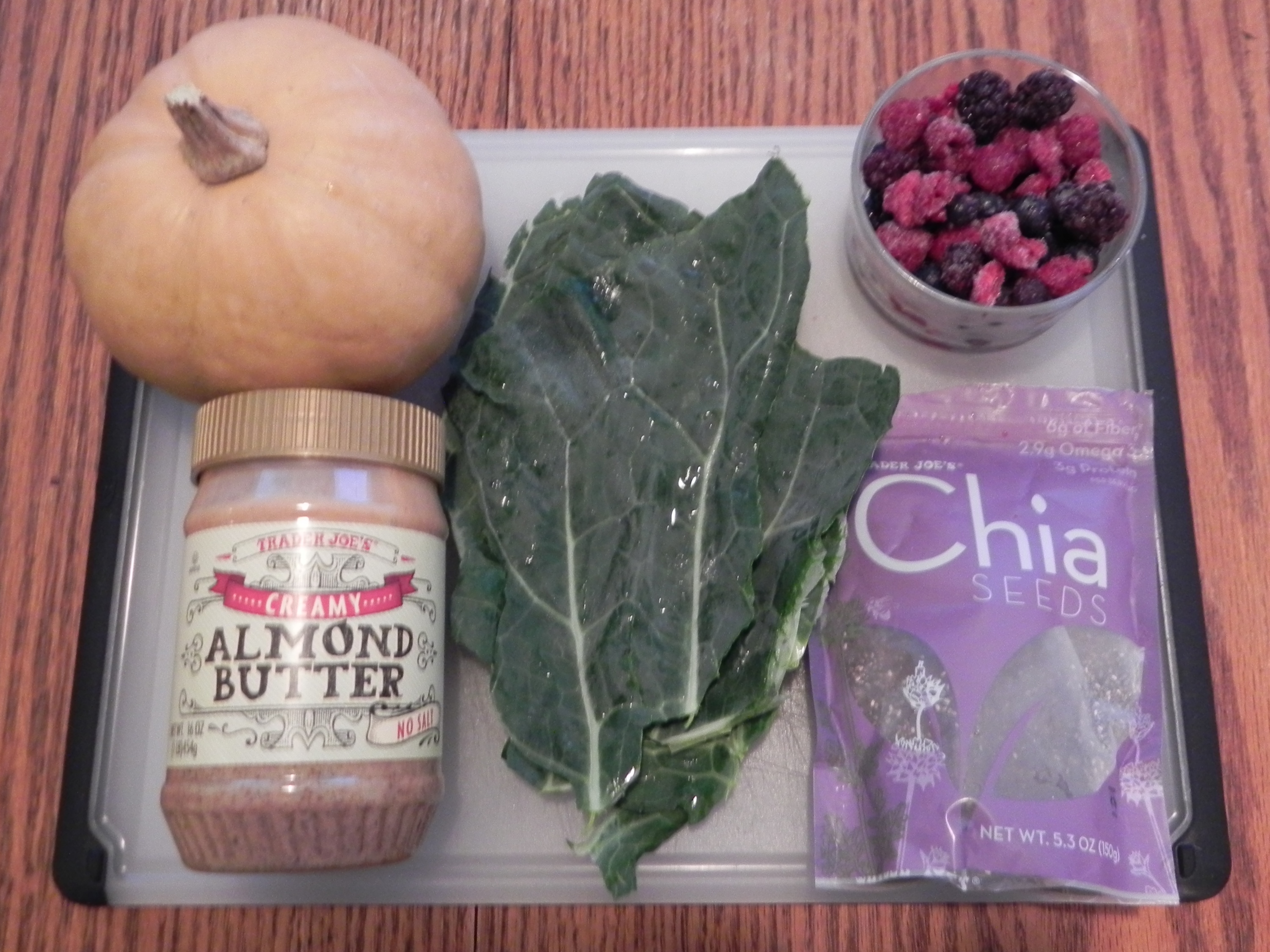
some of my favorite things
1. Berries (all of them!): These little guys are special. I’m sure you’ve seen them all over superfood lists and there’s good reason. They’re delicious, low-calorie, high fiber and have tons of antioxidants to help counterbalance the stresses and toxins you encounter daily. Berries taste great in almost any smoothie and blueberries do a great job of masking greens you may be trying to sneak in there. Frozen berries are less expensive and great to stockpile in your freezer.
2. Bananas: Bananas just make smoothies taste better. I tried making smoothies without them and failed miserably. The texture and sweetness compliments almost any combination. Try using frozen bananas for a creamier drink.
3. Orange stuff: Tis the season for sweet potatoes, pumpkin, and winter squashes like butternut. These glowing veggies are full of vitamin A and C to build up your immune system for the cold months. When you roast squash, the natural sweetness comes out. If you’re using frozen or canned you may need to add some honey. Check out the orange smoothie recipes at the end of this post.
4. Water: I didn’t discover this until later in my smoothie making career. No need to get fancy with your liquid, water is perfect when you don’t need the extra calories or competing flavor. It’s also FREE.
5. Nut butters: These add filling fats and tons of flavors. They pair particularly well with berries. I know my day is always better when it starts with some peanut butter.
6. Leafy greens: Collards, kale, spinach, mustards. They’re all wonderful. A few leaves can bump up your vitamin intake and with the right combination they don’t need to be overpowering. Sweet stuff like bananas and coconut oil compliment leafy greens well.
7. Ginger: This delicious root adds kick to most smoothies. Ginger is naturally anti-inflammatory so it’s great to help keep muscles happy before workouts or just give your body a little extra help on stressful days at work. Peel and slice thinly before adding to your blender. A little goes a long way!
8. Avocados: Avocados are full of healthy monounsaturated fats to keep your brain happy and your stomach full. They make your smoothie extra creamy without adding a strong flavor. Make sure your avocado is ripe to make sure it blends well.
9.Chia seeds: These guys are little balls of omega-3 wonderfulness. Add a tablespoon to any smoothie to give it some crunch and fun texture. The omega-3 fats will keep your heart and body healthy with their anti-inflammatory properties.
Here are two of my favorite fall smoothie recipes. Each recipe makes two 16 ounce or four 8 ounce smoothies. Enjoy!
Pumpkin Amazingness Smoothie:
1 cup roasted Seminole pumpkin or pumpkin puree (or substitute any cooking pumpkin)*
1 cup almond milk (or substitute any milk)
1 cup whole milk plain yogurt
2 frozen bananas
1-2 tsp fresh grated ginger or baby ginger
½ tsp cinnamon
½ tsp pumpkin pie spice
1 tbsp maple syrup (optional)
Add all ingredients to blender and blend until desired consistency. Add several ice cubes before blending if you are not using frozen bananas.
Butternut Squash Raspberry Smoothie (vegan!):
1 cup roasted butternut squash
1 cup frozen raspberries
2 frozen bananas
2 cups water or coconut water
2 tbsp coconut oil
1 tbsp maple syrup (optional)
Add all ingredients to blender and blend until desired consistency. Add several ice cubes before blending if you are not using frozen raspberries or bananas.

pumpkin amazingness!
 the sublime tomato